
Exploring Texas History & Independence Through Washington County
WARNING: Before we get started, consider this a friendly notice. Texas pride runs strong around here, and this story is told by people who know exactly why it matters. You’ve been officially prepared for what comes next. If you need a little warm-up, feel free to listen to the official state song. We find it helps acclimate visitors and makes our patriotism a little less jarring.
The Texas Independence Trail follows the path of the events that led Texas to become its own nation in 1836. While many people think first of the Alamo, the real turning point happened in Washington County. This is where the Texas Declaration of Independence was written and signed, setting the course for Texas history.
Travelers today follow this route as a road trip through towns, courthouses, museums, and preserved landmarks. Washington County sits at the northern end of the trail and remains one of its most important stops.

Planning a Texas Independence Trail Road Trip
An Independence Trail road trip can be done over several days or built into a longer Central Texas itinerary. The trail runs from South Texas north to Washington County, connecting sites tied to the Texas Revolution and early statehood.
Many travelers choose to end their trip in Washington County, where the political decisions behind independence took place. Rather than spreading stops across the county, most visitors focus their time at Washington-on-the-Brazos, where the declaration was written and signed.
Planning extra time here allows visitors to explore the exhibits, grounds, and living history areas without feeling rushed.
Washington County holds a unique place in Texas independence because it was the center of the political movement that shaped the Republic of Texas. In March 1836, delegates met at Washington-on-the-Brazos to draft and sign the Texas Declaration of Independence.
While battles like the Alamo drew military attention, Washington County was where leaders made the decisions that defined Texas as its own nation. The first capital of the Republic of Texas was established here, making this area essential to understanding how independence was achieved.
March 2nd remains the annual date of celebration for Texas Independence Day, marking the moment those decisions became official.
Why Washington County Matters in Texas Independence
Texas Historical Sites at Washington-on-the-Brazos
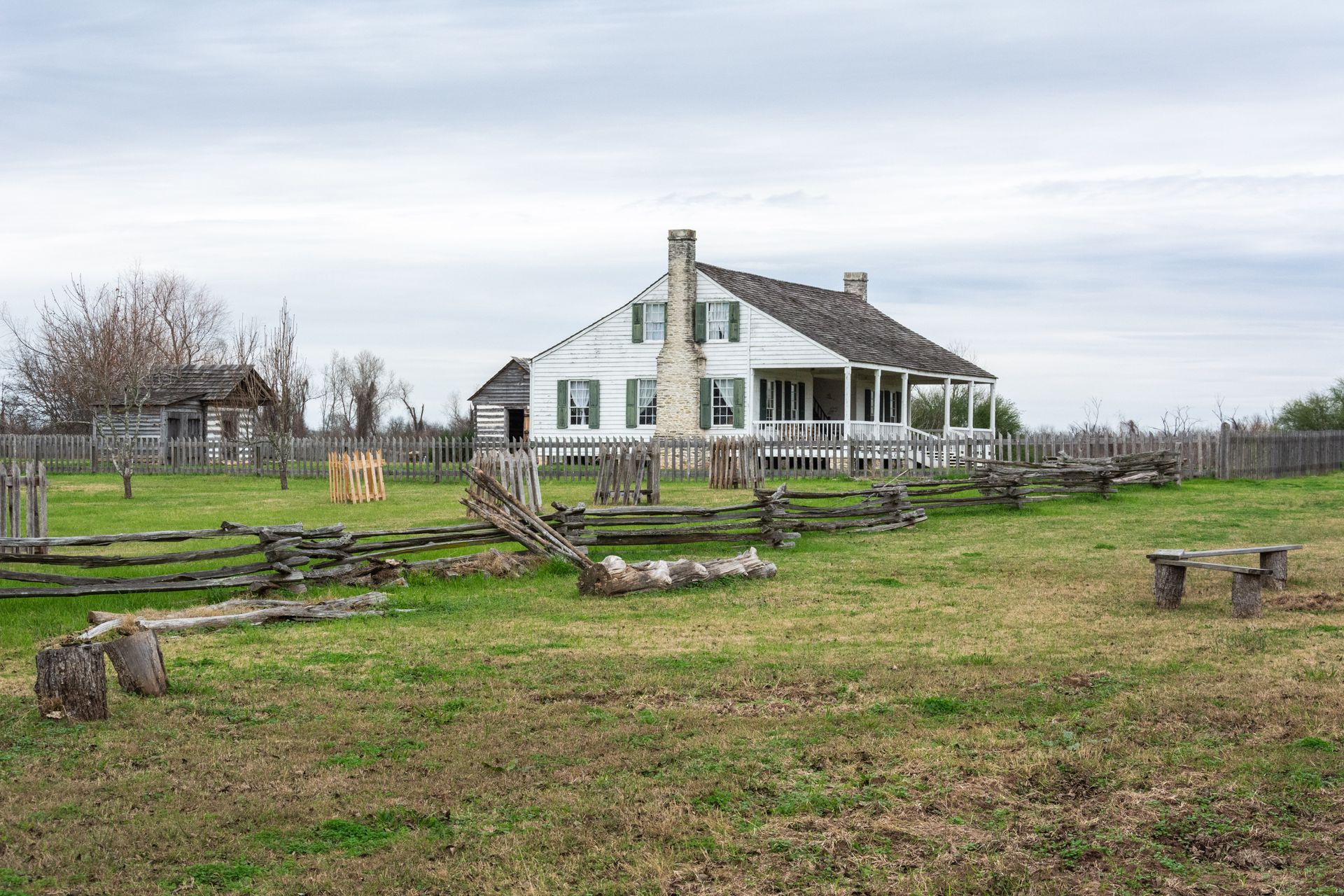
The most important Texas Independence Trail stop in Washington County is Washington-on-the-Brazos State Historic Site. This is where the Texas Declaration of Independence was written and signed in 1836, earning it the nickname “Where Texas Became Texas.”
The site brings that moment to life through several areas that visitors can explore in one stop:
- Independence Hall: A replica of the building where delegates gathered to debate and sign the declaration. Exhibits explain who was present and why the meeting mattered.
- Star of the Republic Museum: Displays artifacts, documents, and exhibits that cover the Texas Revolution and the early years of the Republic of Texas.
- Barrington Living History Farm: A working farm that shows what daily life looked like for a Texas family in the 1830s, including agriculture, tools, and household routines.
Because everything is located within one park, this stop works well for travelers who want a meaningful Texas Independence Trail experience without needing to drive between multiple sites.

Brenham’s Role in Texas History
Adding Brenham to your trail itinerary brings another layer to the story. Brenham history reflects Texas's growth after gaining independence, especially during the Reconstruction era following the Civil War.
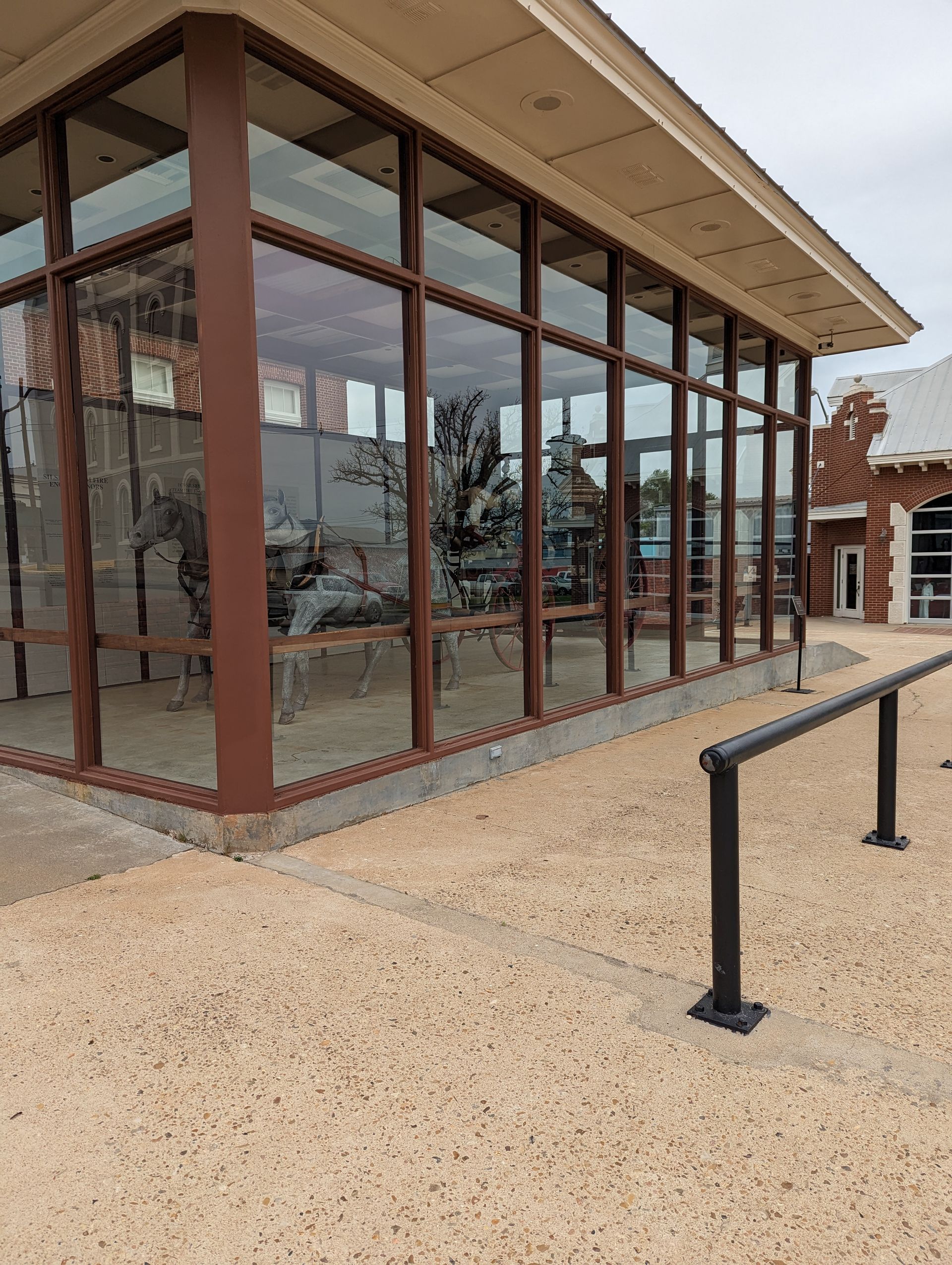
Rail connections between Brenham and the Galveston port made the town a key trade and transportation hub. During this period, Union troops burned much of the city, forcing a rebuild. Brenham responded by establishing the first public waterworks system and forming a fire department equipped with a steam-powered fire wagon.
These events shaped the city’s layout, infrastructure, and civic pride that still shows today.
Museums and Local History Stops in Brenham
Brenham offers a couple of great stops that help visitors understand the city’s past through real artifacts and local stories:
- Brenham Fire Museum: Focuses on the city’s early fire department, including the steam-powered fire wagon and the department’s role in shaping community traditions.
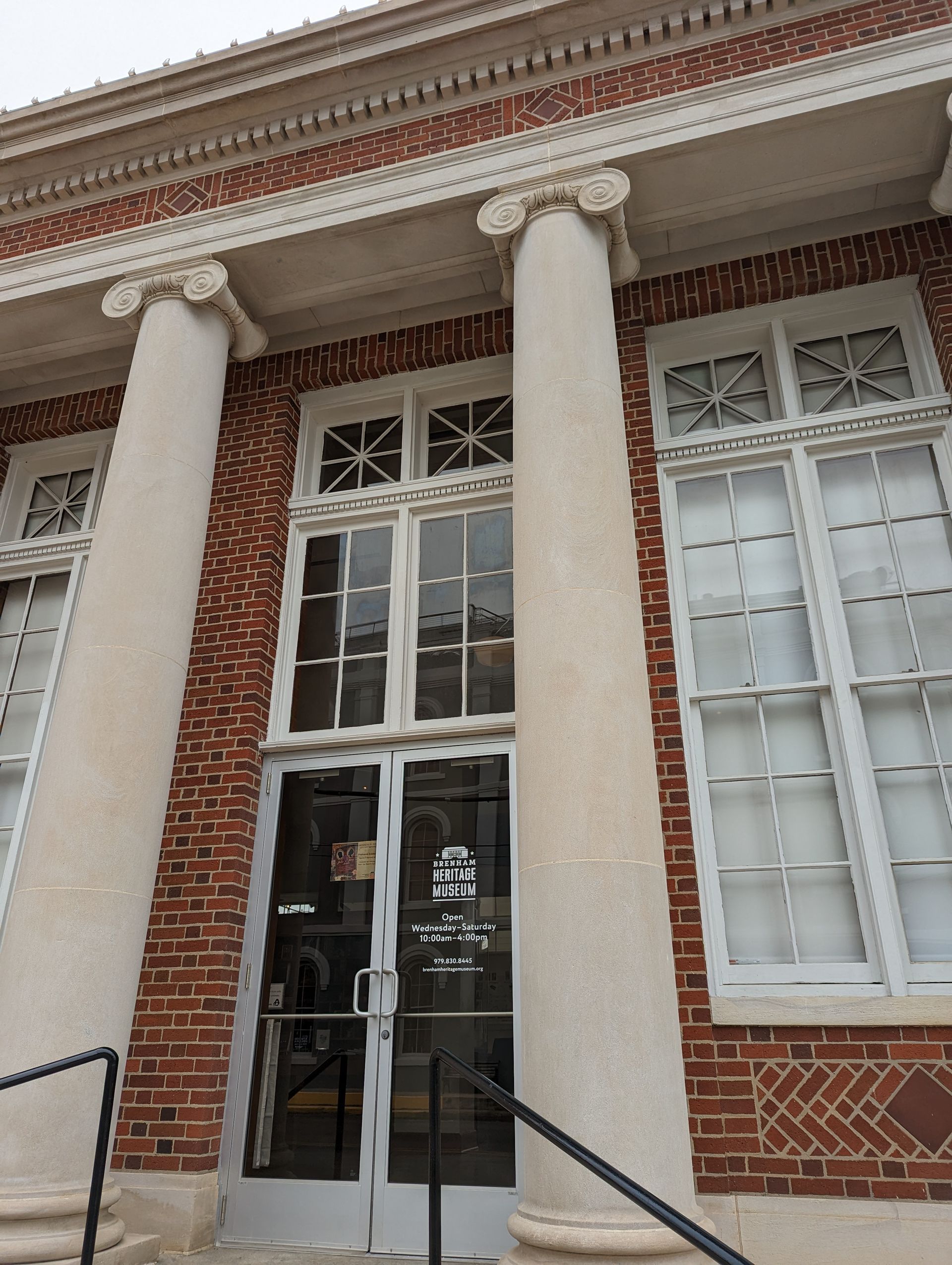
- Brenham Heritage Museum: Explores local industries, families, and cultural changes that influenced Brenham’s development.
These sites fit well into an Independence Trail visit by showing how early decisions continued to affect daily life long after independence.
More Than History: Brenham Today
While history brings travelers to Brenham, many stay for the local businesses and food traditions that have grown here over generations. Brenham is home to long-standing Texas brands like Blue Bell Ice Cream, the respected Blinn College, and locally owned shops like Herman’s Furniture Store that reflect the town’s roots.
From well-known barbecue stops to coffee roasters and breweries, Brenham balances its past with a strong present. This mix makes it an easy place to spend an extra night during your road trip.
Stay at Ant Street Inn
After a full day exploring the Texas Independence Trail, staying close to the sites makes the experience more relaxed. Ant Street Inn offers historic accommodations within walking distance of downtown Brenham.
A stay here places you near museums, dining, and trail stops while giving you a quiet place to rest between days on the road. If Washington County is part of your Texas Independence Trail plans, book your stay at Ant Street Inn and experience the area from a location that reflects the history around you.